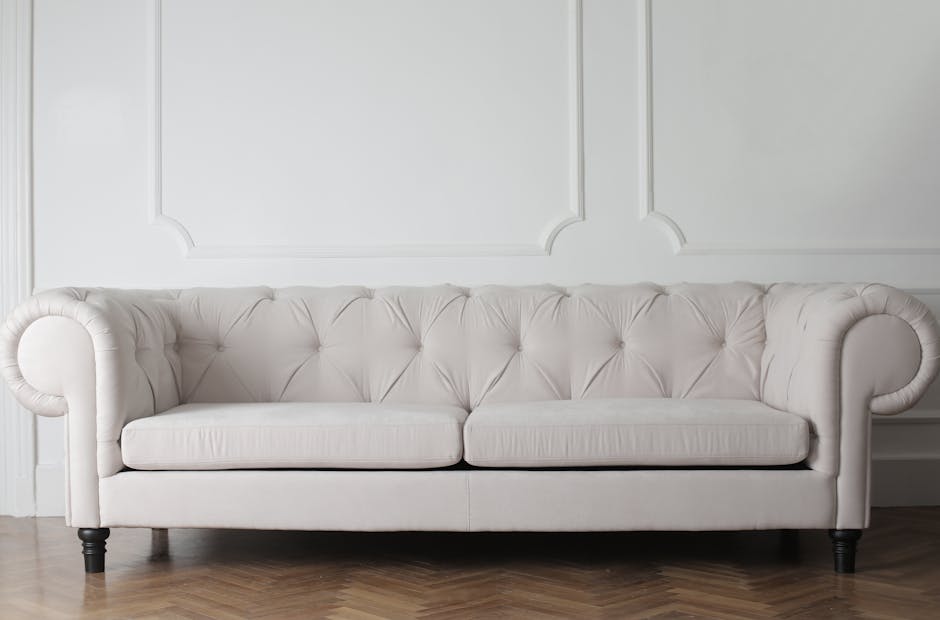
Crook Log Welling removals access for large sofas and wardrobes
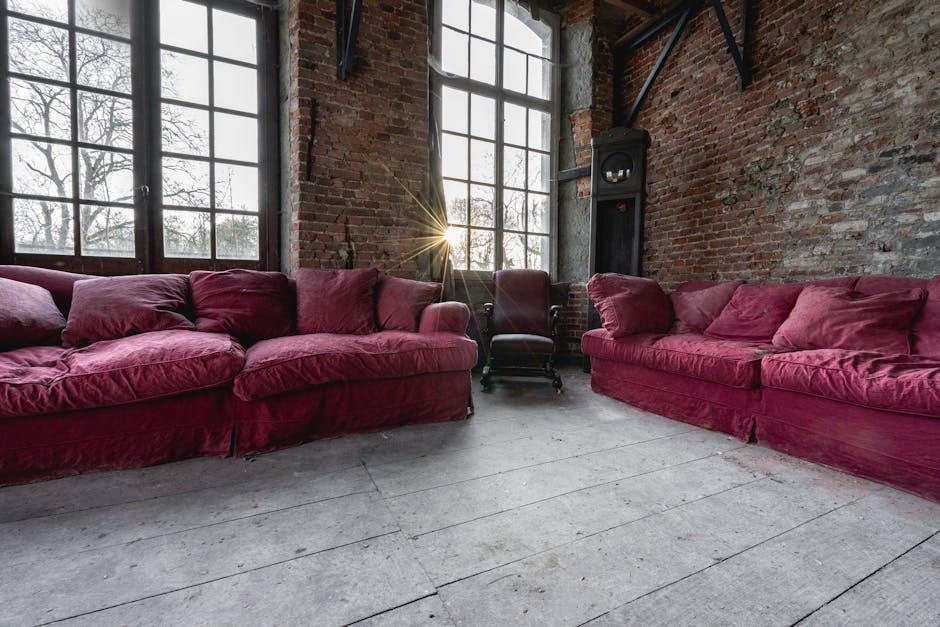
If you are trying to move a bulky sofa, a triple wardrobe, or both at once, Crook Log Welling removals access for large sofas and wardrobes can be the difference between a calm move and a very sweaty morning. The space might look fine at first glance, but then the hallway narrows, the stair bend bites back, or the parking turns out to be awkward for a larger van. Sound familiar?
This guide breaks down how access planning works in Crook Log and the wider Welling area, what matters for oversized furniture, and how to avoid the common headaches that catch people out. Whether you are moving home, shifting one heavy item, or arranging a full property move, the aim is simple: get the furniture out safely, without damage, delays, or unnecessary stress.
Truth be told, most removal problems are not about strength. They are about preparation.
Why Crook Log Welling removals access for large sofas and wardrobes Matters
Large sofas and wardrobes are awkward for different reasons. Sofas can be bulky, floppy, and awkward to grip. Wardrobes are often tall, rigid, and unforgiving. Put them together with Crook Log and Welling's mix of residential roads, tighter driveways, shared entrances, and stair-heavy homes, and you have a job that benefits from proper access planning.
The key issue is not just whether a van can park nearby. You need to think about the whole route: pavement width, gate openings, stair turns, ceiling height, door frames, lift size, loading distance, and whether there is a sensible place to pause while two people rotate a sofa corner. If one of those points fails, the move slows down fast.
A lot of readers only realise this when the item is already halfway through the doorway. At that stage, you are not planning anymore, you are problem-solving under pressure. Not ideal.
Good access planning matters because it helps you:
- avoid scratches to walls, doors, flooring, and furniture
- reduce the chance of a sofa or wardrobe getting stuck mid-way
- choose the right vehicle and crew size
- save time on loading and unloading
- make parking and carrying routes safer for everyone involved
In local moving terms, access is often the hidden part of the quote. It can be the difference between a straightforward job and one that needs extra time, extra hands, or special handling.
Expert summary: for oversized furniture, access is not a side issue. It is the main issue. If the route works, the move tends to work. If the route fails, everything gets harder from there.
How Crook Log Welling removals access for large sofas and wardrobes Works
The process usually starts with a quick assessment. That might be done from photos, a video walkthrough, or a phone conversation where you describe the item and the property layout. A good mover will want to know dimensions, floor level, parking conditions, and whether the furniture can be dismantled. In our experience, that last detail saves a lot of grief.
Here is what a practical access check normally covers:
- Item dimensions - length, height, depth, and any awkward parts such as feet, arms, mirrors, or handles.
- Property access - stairs, lifts, tight corners, narrow halls, porch steps, basement entrances, or shared access ways.
- Parking and loading distance - whether the van can stop close enough to make the carry safe and efficient.
- Disassembly options - whether the sofa can separate into sections or the wardrobe can be taken apart.
- Protection needs - blankets, straps, covers, edge guards, and floor protection.
- Manpower and vehicle choice - one mover with a van is not always enough for heavier or larger items.
For example, a three-seater sofa may fit through the front door, but the hallway turn could be the real problem. A tall wardrobe may clear the doorway but scrape the ceiling on the staircase. It is a bit like moving a giant puzzle piece through a house that was not designed around it. Charming, in a way. Until it is not.
That is why experienced removal teams do not just ask, "How big is it?" They ask, "How does it move?"
If you are organising the move yourself, it helps to measure the widest point of the item and compare it with the narrowest point of the route. Measure door width, stair width, and any turn where the item may need to pivot. Do not eyeball it. Most people are a bit optimistic the first time, and then reality arrives with a thud.
Key Benefits and Practical Advantages
When access is planned properly, the whole move becomes smoother. You can feel it almost immediately. Less standing around. Less back-and-forth. Fewer "wait, can we angle it this way?" moments.
The biggest practical advantages are:
- Less risk of damage - furniture edges, banisters, corners, and walls are all safer when the route is mapped out first.
- Faster loading - a clear route means fewer pauses and less awkward repositioning.
- Better value - time saved on the day often means a more efficient job overall.
- Safer lifting - large furniture should be moved with the right posture and team size, not bravado.
- Less disruption - especially useful in terraced streets, shared entrances, or busy roads where timing matters.
There is also a quieter benefit: peace of mind. When you know the access has been thought through, the whole day feels less fragile. That matters more than people admit.
| Access factor | Why it matters | Typical solution |
|---|---|---|
| Narrow hallway | Can block a sofa or wardrobe at the first turn | Measure carefully, remove feet or doors, use a rotated carry |
| Stair bends | Large items often snag on angles | Two-person handling and controlled tilting |
| Parking distance | Long carries increase time and strain | Reserve space close to the entrance if possible |
| Heavier wardrobe sections | Increases lifting difficulty and risk | Dismantle into manageable pieces |
| Shared access | May cause delays if pathways are busy | Choose quieter timing and keep routes clear |
Local conditions can also matter. A quick load on a quiet side street is one thing; a bigger furniture move near busier roads or around school-run hours is another. Little details, big difference.
Who This Is For and When It Makes Sense
This kind of access planning is useful for anyone moving large household furniture, but it is especially important if your property has any of the usual awkward bits: tight internal stairs, compact front rooms, a narrow front path, or a door that always seems just a touch too small for comfort.
It makes particular sense for:
- people moving from flats with stair access
- homeowners replacing bulky sofas or wardrobes
- landlords or tenants handling end-of-tenancy removals
- families moving between houses with older layouts
- anyone using a removals service for a single difficult item
If you are in a typical Welling home, especially around older terraces or properties with tight frontage, planning the furniture route early is rarely overkill. It is usually the sensible move. You know the type of day: a bit of drizzle, a delivery van across the road, someone needing access at the same time. It all adds up.
This also matters if the item is valuable, sentimental, or just a complete nightmare to replace. A wardrobe with glass doors, an expensive corner sofa, or an old family piece that has been in the house forever all deserve careful handling. The emotional value can be just as important as the money value.
Step-by-Step Guidance
If you want the move to go well, do not start with the van. Start with the measurements. Then work outward from there. Simple enough, though people often skip straight to the transport part and hope for the best.
- Measure the item properly
Measure the full height, width, and depth. Include protruding parts such as arms, feet, handles, and mirror frames. If the sofa has removable legs or the wardrobe can come apart, note that too. - Measure the access route
Check doors, hallways, stair widths, landings, and turning points. Do not forget the route outside the property, including gates, steps, and garden paths. - Check the parking situation
See whether the moving van can stop close enough to the entrance. If not, factor in the extra carry distance and how that changes the job. - Decide whether to dismantle
Many wardrobes move better when taken apart. Some sofas also benefit from removing legs, cushions, or modular sections. Use the manufacturer's guidance where available. - Protect the furniture and the property
Use blankets, wraps, and floor protection where needed. A small bit of prevention saves a lot of repair work later. - Plan the loading order
Large items should usually go in first, but the exact order depends on the vehicle and the rest of the load. Good packing makes a big difference to safety and balance. - Allow extra time
Access issues do not always show up in advance. Give yourself a cushion. A few spare minutes can prevent a lot of rushed lifting.
If you are unsure, send photos of the front entrance, stairwell, hallway, and furniture item. A decent mover can spot likely access issues very quickly from that. Sometimes the photo tells the story before anyone has said a word.
Expert Tips for Better Results
After enough moves, a few patterns become obvious. The jobs that go well are rarely the ones with the fanciest gear. They are the ones where the route has been thought through properly.
- Take measurements twice if the item is especially close to the limit. A centimetre or two can matter more than you think.
- Remove what you can before the move starts. Cushions, shelves, hanging rails, detachable legs, and loose fittings should not be left to chance.
- Clear the route fully. Shoes, plant pots, prams, bins, and random hallway clutter all become a nuisance very quickly.
- Use gloves with grip if you are handling slippery fabric or varnished wood. It sounds minor. It is not.
- Communicate at each turn. One person calling the move is often safer than two people guessing at the same time.
- Keep doors open only when safe. A propped door can help, but it should never get in the way of a controlled carry.
One useful local tip: if you know the road is tight or parking is unpredictable, try to time the move for a quieter window. Early morning often works well, though of course that means early morning. Nobody loves that bit, but it does help.
And yes, sofa covers and wardrobe straps may not look glamorous. They are not meant to. They are meant to do the boring job of preventing damage, which is rather the point.
Also, do not underestimate the value of a second pair of capable hands. A wardrobe that feels "fine" on paper can become a stubborn, wobbly beast at the top of a staircase.
Common Mistakes to Avoid
The most common mistake is assuming the item will "just fit" because it fits in the room it is leaving. That is not the same thing as fitting through the route. Not even close.
- Skipping measurements - a rough guess is not enough for large furniture.
- Forgetting turning angles - straight measurements alone do not tell you whether a sofa can pivot through a corner.
- Leaving wardrobe contents inside - that makes items heavier and less stable.
- Not checking parking restrictions - if the van cannot stop near the property, everything else becomes harder.
- Trying to force the item through - this is how damage happens, and it is rarely worth the risk.
- Underestimating the weight distribution - wardrobes, in particular, can become awkward once tilted.
There is also a small but important human mistake: rushing because you feel you "should" be finished by now. That pressure leads to poor lifting, poor decisions, and very annoying scratches.
If a piece genuinely does not fit, stop. Reassess. Dismantle it if possible. If not, change the route or get help. Stubbornness is not a moving strategy.
Tools, Resources and Recommendations
You do not need a warehouse full of kit, but a few practical tools make a huge difference for large sofas and wardrobes.
- Tape measure - the most basic tool, and one of the most important.
- Furniture blankets - good for corners, polished wood, and fabric surfaces.
- Straps or tie-downs - useful for keeping parts secure during carrying and transit.
- Gloves - helps with grip and protects hands from splinters, rough edges, or metal fittings.
- Dolly or sack truck - helpful where the route is flat and the item can be safely supported.
- Floor protection - especially sensible for rented homes or newly finished floors.
- Small tool kit - screwdrivers, hex keys, and spare bags for fixings are worth having nearby.
If you are arranging a full move rather than a single-item job, related services can also help. For example, some people combine access planning with packing and unpacking support so the day feels less chaotic. Others choose a broader removal service when they want one team to handle the heavy lifting from start to finish.
If sustainability matters to you, it can be worth asking how unwanted furniture is handled. Some teams offer responsible disposal routes or reuse options through recycling and sustainability practices, which is a reassuring detail if you are clearing out old items too.
Law, Compliance, Standards, or Best Practice
For most household furniture moves, the practical focus is on safety, property protection, and sensible handling rather than complex regulation. Even so, there are still clear best-practice expectations in the UK removals world.
At a basic level, movers should take reasonable care to avoid injury and damage. That means using suitable lifting techniques, not overloading people or vehicles, and planning access properly before the job begins. It also means communicating any known access difficulties honestly instead of pretending they are minor when they are not.
If parking or loading may affect the public highway, local rules and permissions may need attention. This is especially relevant in busier parts of Welling or where a van may block space for more than a moment. Some moves need permits or additional planning, depending on the road and the timing. It is better to check early than sort it out in a panic on the day. That bit can get messy.
Insurance is another practical consideration. If you are using professional help, it is sensible to understand what cover applies to handling, transit, and accidental damage. A trustworthy operator should be clear about this. If the paperwork feels vague, ask questions.
For your own preparation, follow a simple standard: know the dimensions, clear the route, protect the surfaces, and do not force the item. That may sound plain, but plain is often what keeps a move safe.
Options, Methods, or Comparison Table
There is more than one way to move a large sofa or wardrobe in Crook Log and Welling. The best option depends on access, item type, time available, and how much help you want on the day.
| Method | Best for | Pros | Watch out for |
|---|---|---|---|
| DIY move with friends | Short local moves and lighter items | Low cost, flexible timing | Higher risk of injury or damage, less experience |
| Man and van | Single items, smaller flat moves, straightforward access | Good balance of cost and convenience | May need advance access details and loading help |
| Full removals team | Heavier furniture, multiple items, awkward access | More manpower, better handling, usually more efficient | Often costs more, though can save time and hassle |
| Dismantle and reassemble approach | Wardrobes and modular furniture | Improves fit through tight access points | Needs tools, care with fixings, and a bit more time |
If you are comparing options, ask yourself one honest question: do you want the cheapest moving method, or the one least likely to go wrong? They are not always the same thing. And let's face it, the second option is often the one people wish they had chosen after the fact.
Case Study or Real-World Example
A typical local scenario goes like this. A household in Welling needs to move a large fabric corner sofa and a wardrobe from a first-floor bedroom. The sofa looks manageable, but the wardrobe is tall and the stair turn is awkward. The front parking is limited, and the property has a narrow entrance path.
Before the move day, the team checks photos, measures the hallway, and confirms that the wardrobe can be dismantled. The sofa feet come off, the route is cleared, and blankets are laid at the sharpest corner. Parking is planned so the vehicle can stop close to the property for the quickest possible carry.
On the day, the sofa goes first because it is bulky but manageable. The wardrobe is split into sections and carried one part at a time. The team avoids trying to "muscle through" the stair bend, which is where many people make a mess of it. The move finishes without scratches, and the client is not left staring at a damaged wall wondering why it all felt so much harder than expected.
That is the quiet win with good access planning. Nothing dramatic happens. Which is exactly what you want.
Practical Checklist
Use this before moving day. It is not fancy, but it works.
- Measure the sofa or wardrobe, including any removable parts
- Measure every door, hallway, stair turn, and landing on the route
- Check whether the item can be dismantled safely
- Confirm parking space or loading access near the property
- Clear the path indoors and outside
- Protect floors, corners, and furniture surfaces
- Prepare tools for disassembly and reassembly
- Remove loose items from wardrobes and cushions from sofas
- Agree who will lead the carry and who will spot corners
- Allow extra time for awkward access or weather delays
If you tick all of that off, you are already ahead of most move-day chaos. Honestly, quite a lot ahead.
Conclusion
Crook Log Welling removals access for large sofas and wardrobes is mostly about making the route as predictable as possible. Measure carefully, think through the turning points, choose the right moving method, and protect both the item and the property. That is the backbone of a smoother move.
For many people, the real challenge is not the weight. It is the combination of size, shape, and awkward access. Once you treat access as part of the job rather than a detail to deal with later, the whole process becomes more manageable and a lot less stressful.
If you are preparing a move and want to avoid the usual last-minute scramble, a quick access check is one of the smartest things you can do. Small preparation now can save a very long awkward pause later.
Get a free quote today and see how much you can save.
And if all you do today is measure that hallway properly, well, that is still a good start.
Frequently Asked Questions
Will a large sofa fit through a standard Welling hallway?
Sometimes yes, sometimes no. It depends on the sofa shape, the hallway width, and whether the item can be angled safely. A straight measure is not enough; the turning space matters just as much.
Can wardrobes usually be moved without dismantling them?
Smaller wardrobes sometimes can, but larger or taller ones are often safer to take apart. Dismantling usually makes the move easier, reduces strain, and lowers the chance of damage.
What should I measure before booking removals access for large furniture?
Measure the item itself, doorways, stair widths, landings, ceiling heights where relevant, and the path to the van. Parking distance is worth checking too, because that can change the whole job.
How do I know if access is too tight for a sofa or wardrobe?
If the item is close to the width of the narrowest doorway or stair turn, it may be too tight to carry safely in one piece. Photos and exact measurements usually give the clearest answer.
Do I need special equipment for moving a wardrobe?
Not always, but straps, blankets, a basic tool kit, and sometimes a dolly or sack truck can help. The most important thing is using the right method for the route, not just the right tools.
What if parking is limited near my property?
That is common in some parts of Welling. If parking is limited, plan for a longer carry, allow extra time, and check whether the vehicle can stop safely and legally close to the entrance.
Is it safer to hire a removals team for bulky furniture?
Often yes, especially if the sofa or wardrobe is heavy, valuable, or awkward to carry. Extra experience and manpower can make a big difference, particularly on tight access routes.
Can a sofa be damaged even if it fits through the door?
Yes. A fit through the door does not guarantee a smooth move through stair bends, hall corners, or tight landings. Many damage issues happen on the turns rather than at the doorway itself.
What is the best time of day for access-heavy removals in Welling?
Quieter times are usually better, because parking and pedestrian traffic are easier to manage. Early morning often works well, though timing depends on your road, neighbours, and any local restrictions.
Should I remove sofa feet and wardrobe shelves before the move?
Usually yes, if they are detachable. Removing loose or protruding parts often improves clearance and reduces the chance of snagging or breaking something on the way out.
How far in advance should I plan access for large furniture?
Ideally as soon as you know the move is happening. Even a short lead time helps you measure properly, arrange parking, and decide whether dismantling or extra help will be needed.
What if my furniture is sentimental and I do not want any damage?
Then take extra care with protection, plan the route in detail, and use the most experienced help available. Sentimental items deserve a slower, more careful approach. No shame in that at all.