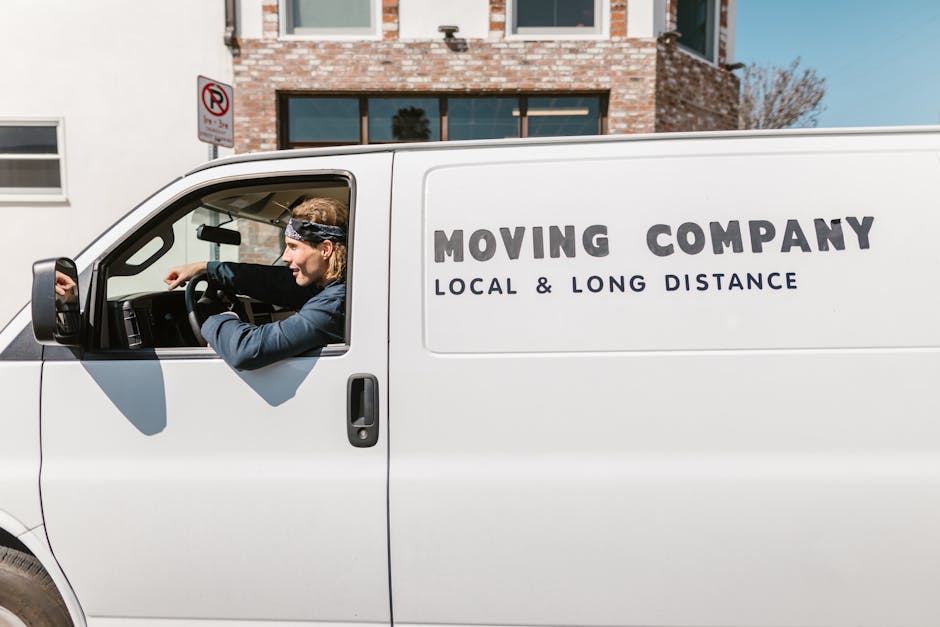
Which van size suits your Welling move? Quick comparison

Choosing the right van can be the difference between a move that feels calm and one that feels like a game of Tetris on a wet Tuesday. If you are weighing up Which van size suits your Welling move? Quick comparison, this guide will help you match your load, your street access, and your timeline without overpaying or booking too small. In Welling, that matters more than people think. Tight stairwells, parking pressure, busy pickup windows near the station, and the occasional narrow frontage can all change what van size actually works best.
Below, you will find a simple comparison, practical examples, a step-by-step sizing method, and the key mistakes to avoid. I will also point you towards helpful local resources where they genuinely fit, including advice on packing and boxes in Welling, house removals in Welling, and flat removals in Welling. Let's keep it practical.
Why van size matters for a Welling move
Van size is not just about "can it fit?" It affects loading time, parking flexibility, number of trips, handling costs, and how much stress you feel at 4:30pm when the sofa is half-way down the stairs. In Welling, those details add up fast. If you book a vehicle that is too small, you may end up doing multiple runs. Too large, and you might struggle with parking, manoeuvring, or access on roads where space is already tight.
This is especially true if you are moving from a flat, a terraced house with limited frontage, or a property near busier roads where stopping space is awkward. Our experience is that people often underestimate how much room soft furnishings, dismantled beds, and boxes take once they are actually stacked safely inside a van. On paper, it looks fine. On the pavement? Not always.
For local moves, the right van size also helps you stay efficient with time windows. If you are planning around school runs, commuter traffic, or a short parking bay, a smaller or medium van can sometimes be the smarter choice, even if it means packing carefully. That trade-off is often worth it.
Expert summary: the best van is usually the smallest one that can carry your load safely in one trip, with a little buffer for awkward items and soft furnishings. In a place like Welling, access often matters just as much as capacity.
How choosing the right size works
The easiest way to choose a van is to start with your load, then test it against access. That order matters. People often start with the biggest item they own and work backwards, but that can lead to overbooking. A smarter approach is to estimate volume, list the bulky items, and then think about the route from your front door to the vehicle.
A good size decision usually comes down to five things:
- Volume: how much you are moving in boxes, bags, and furniture.
- Furniture shape: flat-pack items, mattresses, wardrobes, sofas, and white goods behave differently.
- Access: stairs, lifts, narrow hallways, and roadside parking all affect loading speed.
- Distance: a local Welling move may allow multiple trips; a longer move usually should not.
- Time pressure: same-day or weekend moves often benefit from cleaner planning and fewer surprises.
As a rough rule, smaller vans suit studio-sized loads or a handful of items, while medium and larger vans are better for full-room or full-home moves. But the real answer depends on how tightly everything packs. A lot of well-packed boxes can take up less space than one badly arranged sofa and chair combination. Strange, but true.
If your move includes fragile items, awkward furniture, or high-value pieces, it is worth checking whether a specialist service is a better fit. For example, a piano, a large sofa, or a delicate mattress should not be treated like generic cargo. You can read more about specialist handling in piano removals in Welling and furniture removals in Welling.
Key benefits and practical advantages
Picking the right van size has some very real benefits. The obvious one is cost control, but there are a few others that matter just as much in day-to-day moving.
- Fewer trips: the right van can reduce back-and-forth journeys, which saves time and fatigue.
- Less handling: fewer loading cycles mean fewer chances for knocks, scrapes, and minor mishaps.
- Better route planning: a van that suits local streets is easier to position and unload.
- Lower stress: you are less likely to feel rushed if the vehicle matches the job.
- Cleaner packing: when you know the space available, you pack more sensibly from the start.
There is also a mental benefit that people rarely mention. Once the vehicle is correctly sized, the move feels more manageable. You stop wondering whether everything will fit. That small certainty makes a surprising difference. Especially when the kettle is already boxed up and you are living off biscuits for the afternoon.
If you are trying to reduce clutter before move day, this pairs well with a sensible decluttering plan. A good place to start is this decluttering guide for a new home. Less stuff often means a smaller van, which usually means a simpler move.
Who this is for and when it makes sense
This quick comparison is useful for almost anyone moving in or out of Welling, but it is especially relevant in a few common situations.
- Flat movers: if you live in a one-bedroom flat or a small maisonette, van choice can be tricky because the load is compact but awkward.
- First-time movers: if you have not moved recently, it is easy to overestimate what a van can carry.
- Families: larger household loads need a more thoughtful approach, especially when children's furniture and boxed belongings pile up quickly.
- Students: moving from term-time accommodation often means a small or medium van is enough, but timing matters.
- Same-day movers: when time is short, access and loading speed become just as important as volume.
It also makes sense if you are moving from a property with awkward access. Think tight stairs, limited parking, or a road where stopping for long is just not practical. In those cases, the "biggest van possible" approach is not always the wisest one. A slightly smaller vehicle may actually reduce hassle.
For people moving from compact homes or apartments, the local context matters a lot. See also moving from a Welling flat with tight stairs and narrow frontage move tips for Welling High Street.
Step-by-step guidance
Here is a simple method to choose the right van size without overthinking it.
- List the large items first. Note beds, sofas, wardrobes, tables, appliances, and anything bulky or awkward.
- Count your boxes honestly. Not a rough guess. Count them. A "few boxes" can turn into twenty once the drawers, cupboards, and hallway pile are emptied.
- Measure the awkward items. Door widths, bed bases, mattress sizes, and fridge dimensions can all affect loading.
- Check access at both addresses. Parking, stairs, lifts, distance from the property to the road, and turning room all matter.
- Decide whether you need one trip or can accept two. If time is tight, aim for one. If the move is local and flexible, a smaller van may still work.
- Match the van to the load, not the other way around. This sounds obvious. It often gets skipped.
- Leave a buffer. A little spare space helps protect delicate items and reduces the risk of overstuffing.
One useful trick is to imagine the move in layers. First the furniture, then the boxes, then the fragile items, then the leftover odd bits. If the van looks full before you reach the fragile layer, it is probably too small. Simple, but effective.
If you are still unsure, speak to a mover and describe the items clearly. A proper assessment often saves more money than a rushed booking. You can also review broader moving support via the services overview and removal services in Welling.
Expert tips for better results
There are a few things experienced movers look at straight away, and they are worth copying.
- Pack heavier items low and forward: this stabilises the load and helps protect lighter items.
- Use consistent box sizes where possible: neat stacks make van space far easier to use.
- Disassemble what you can: bed frames, table legs, and shelving often become much easier to load once broken down.
- Protect soft items properly: sofas, mattresses, and fabric pieces can pick up dirt quickly if they are not wrapped or covered.
- Think about loading order: the last item in is often the first item out, so plan accordingly.
If you are moving furniture, especially sofas, armchairs, or larger units, a little preparation goes a long way. A smart move is to review sofa protection and storage tips before moving day. For beds and mattresses, it is even more important because they are bulky and easily marked, so this bed and mattress moving guide is well worth a look.
And if you are moving heavy items without much help, do not try to be a hero. Seriously. The day is long enough already. Read practical lifting methods for heavy items and safe lifting techniques for everyday moves before you start shifting the big stuff.
Common mistakes to avoid
Most van-sizing mistakes are predictable, which is annoying, because they are also easy to avoid.
- Choosing a van by item count alone: ten large boxes and one wardrobe can take more space than twenty small boxes.
- Ignoring stair and hallway constraints: even if the items fit in the van, the loading process may slow everything down.
- Forgetting about parking space: a larger van is no good if it cannot safely stop near the property.
- Not allowing for blankets, straps, and packing materials: these take space too, just not much.
- Overpacking to avoid a second trip: a crushed box or damaged drawer is never worth it.
- Leaving sorting until moving day: that is how small jobs become long ones.
A small but common issue in Welling is underestimating how access changes at different times of day. Morning may be easier near some streets; other areas may be calmer later on. If you are collecting near a station or busier route, timing can change everything. It is worth checking before you commit.
For route-specific access concerns, these local guides can help: Station Road parking and permit advice and best hours for Welling Station pickups.
Tools, resources and recommendations
You do not need a toolkit the size of a small workshop, but a few basics make a move smoother.
- Measuring tape: useful for checking sofas, beds, hallways, and lifts.
- Marker pen and labels: saves time when unloading and unpacking.
- Strong boxes and tape: weak packaging creates wasted space and frustration.
- Furniture covers or blankets: helpful for protecting upholstery and polished surfaces.
- Straps: especially useful if you are securing tall items or a mixed load.
For packaging support, take a look at packing and boxes in Welling and packing ideas for a smoother house move. If some items need temporary holding, storage in Welling can help reduce pressure and make the actual van booking smaller or easier to organise.
For customers wanting a clearer view of service quality and what is included, the pages on pricing and quotes, insurance and safety, and about the team are useful places to start.
Law, compliance and best practice
For most home moves, there is no special law saying which van size you must choose. That said, there are still sensible UK best-practice points to keep in mind.
First, loads should be secure. Items should not slide around, become loose, or obstruct safe handling. That is basic road and handling sense, but it matters. Second, if your move involves parking on a public road, you should think carefully about where the van can stop legally and safely. In some parts of Welling, access and parking can be the real bottleneck rather than carrying capacity.
Third, if you are moving bulky waste or taking away items you no longer want, do not assume a van booking covers disposal. You may need to plan separate handling, especially if items are being recycled or taken to a facility. A useful starting point is recycling and sustainability guidance and, where relevant, advice on avoiding bulky-waste problems in Welling.
Good movers also follow clear handling and safety practices. If you are comparing providers, it is sensible to review health and safety information, terms and conditions, and privacy details before booking. That is not overcautious. It is just sensible.
Options and comparison table
Below is a quick comparison to help you decide which van size is most likely to suit your Welling move. Exact dimensions can vary by vehicle type, so use this as a practical guide rather than a rigid rule.
| Van size | Best for | Typical load style | Welling access fit | Watch out for |
|---|---|---|---|---|
| Small van | Student moves, a few boxes, small furniture | Light, compact loads; solo moves; quick collections | Excellent for tight streets and limited parking | Can fill quickly with one sofa, mattress, or desk |
| Medium van | Studio or one-bedroom moves | Boxes plus a bed, small wardrobe, and soft furnishings | Good balance of space and manoeuvrability | May need careful stacking to avoid wasted space |
| Luton-style or large removal van | Two-bedroom homes, larger furniture loads, multi-room moves | Bulkier loads, dismantled furniture, appliances, mixed household items | Useful if parking space allows and access is straightforward | Harder to park in narrower streets or busier pickup spots |
In plain English: if you are moving out of a small flat in Welling, a small or medium van is often enough. If you are moving a whole house, especially with family furniture and appliances, you will likely need something larger. If access is awkward, a slightly smaller van can actually be the better call because it is easier to place near the property.
When in doubt, compare the size of your biggest pieces against the loading space and think about how they will sit side by side. Sofas do not care about your moving plan. They just take up space.
Case study or real-world example
Here is a realistic example from the kind of move people often face in Welling.
A couple moving from a first-floor flat had a double bed, a two-seater sofa, a small dining table, a TV unit, about twenty boxes, and a handful of bags. At first they thought a very small van would do because the move was only a short distance. Once they listed everything properly, they realised the sofa, mattress, and boxed kitchen items would likely force a second trip if they went too small.
They also had a narrow stairwell and awkward parking at the old address. That changed the plan. Instead of booking the largest vehicle available, they chose a medium van with enough room for everything in one run, while still keeping the vehicle manageable on the street. It loaded neatly, and because the boxes were packed consistently, there was still a bit of breathing room for blankets and fragile items.
The lesson? Bigger is not always better. A van that fits the access conditions can save more time than a van with extra empty space that is hard to park. That is the bit people only learn once or twice, usually the hard way.
Practical checklist
Use this checklist the day before you book:
- List every large item, including beds, sofas, wardrobes, and appliances.
- Count all boxes and bags properly.
- Measure anything awkward or unusually tall.
- Check if either property has stairs, a lift, or tight internal turns.
- Think about where the van will park and how close it can get to the door.
- Decide if one trip is essential or if two short runs are realistic.
- Set aside packing materials, covers, and blankets.
- Separate fragile items from heavy items.
- Confirm whether any bulky items need specialist handling.
- Review the booking, timing, and payment details before moving day.
Quick takeaway: if your move is local, compact, and access is tight, a smaller van may be the smartest choice. If you are moving a full household or several bulky items, step up a size before you start loading. It is usually better to have a little room left than to discover you are playing packing puzzles at the kerbside.
If you want help planning the right move, from the vehicle to the packing to the timing, it is worth speaking with a local team that knows the area and the access quirks. A bit of guidance upfront can save a lot of sweating later.
Get a free quote today and see how much you can save.
Conclusion
So, which van size suits your Welling move? In most cases, the right answer is the smallest van that can comfortably carry your load, protect your belongings, and still work with local access conditions. That means looking beyond box count and thinking about furniture shape, stairs, parking, and how quickly you need to get the job done.
If you take one thing from this guide, let it be this: plan the move for the street you are actually using, not just the items you own. Welling moves can be straightforward when the vehicle choice matches the property, the load, and the timing. Get those three lined up, and the rest tends to fall into place. Not perfectly, maybe, but well enough that you can breathe again by tea time.
Frequently Asked Questions
What van size is best for a one-bedroom flat move in Welling?
A medium van is often the safest starting point for a one-bedroom flat, especially if you have a bed, sofa, wardrobe, and a fair few boxes. If access is very tight or the furniture is minimal, a smaller van may still work.
Can I move a sofa and mattress in a small van?
Sometimes, yes, but it depends on the sofa size, mattress type, and whether you have other items as well. A small van can fill quickly, so if you are moving anything else, a medium van is usually more comfortable.
How do I avoid booking a van that is too small?
Make a full inventory, count boxes honestly, and measure your largest items before booking. If you are undecided, choose the option that gives you a little spare room rather than a tight squeeze.
Is it cheaper to book a smaller van and make two trips?
Not always. A smaller van may look cheaper at first, but two trips can cost more in time, labour, and hassle. For local moves, it sometimes makes sense; for anything bigger, one properly sized van is often better.
What if my Welling street has limited parking?
That usually pushes the decision toward a van that is easier to position, not necessarily the largest one available. Access matters a lot in streets with restricted stopping space or awkward frontage.
Do I need a larger van if I have stairs?
Stairs do not always mean a bigger van, but they do mean you should plan more carefully. If moving items down stairs will take extra time, a well-sized van can reduce the number of loading cycles.
Should I choose a bigger van for fragile items?
Only if you need the extra room to load them safely. Fragile items need protection and sensible stacking more than sheer size. A little spare space is helpful, but an oversized van is not automatically safer.
What size van is usually right for a student move?
Students often only need a small van or a compact medium van, depending on how much furniture is involved. If you are moving mostly boxes and personal items, the load is usually much simpler than a full household move.
How do I know if I need specialist removal help rather than a standard van?
If you have heavy, valuable, awkward, or delicate items such as a piano, large wardrobe, or bulky appliance, specialist help is usually sensible. Standard van transport is fine for many moves, but not every item is equal.
Can I combine moving and storage in the same plan?
Yes, and that can be very useful if you are between properties or waiting on completion. Storage can reduce pressure on the move and may let you choose a smaller van for the first trip.
What should I ask for when getting a quote?
Ask what van size is being proposed, how many movers are included, whether there are extra charges for access or waiting, and how bulky items are handled. A clear quote is easier to compare than a vague one.
Is a larger van always faster?
Not necessarily. A larger van can help with capacity, but if parking or access is awkward, it may slow things down. The quickest option is usually the one that fits both the load and the location.