Narrow-frontage moves on Welling High Street: expert tips
If you are moving on or near Welling High Street, a narrow frontage can turn an ordinary removal into a careful piece of choreography. Tight pavements, short loading windows, awkward door swings, parked cars, and stairwells that seem to have been designed by someone who disliked furniture all create real pressure on move day. The good news is that with the right planning, the move can still be smooth, efficient, and safe.
This guide explains how narrow-frontage moves on Welling High Street work, why they require a different approach, and which expert tips make the biggest difference. You will also find a practical checklist, a realistic comparison table, and advice on when it makes sense to use a professional team for house removals in Welling, flat removals, or a flexible man and van service in Welling.
In narrow-frontage moves, the key is not brute force. It is sequence, timing, and control. A few inches of extra space, one fewer trip, or a better parking position can save a surprising amount of stress.
Table of Contents
- Why narrow-frontage moves on Welling High Street matter
- How the process works in practice
- Key benefits and practical advantages
- Who this is for and when it makes sense
- Step-by-step guidance
- Expert tips for better results
- Common mistakes to avoid
- Tools, resources and recommendations
- Law, compliance, standards, or best practice
- Options, methods, or comparison table
- Case study or real-world example
- Practical checklist
- Conclusion
- Frequently asked questions
Why Narrow-frontage moves on Welling High Street: expert tips Matters
Narrow-frontage moves are a different category of removal work. A building with a tight entrance, a shallow pavement, a narrow stairwell, or limited kerb access means every stage of the move becomes more sensitive. Even one oversized sofa, wardrobe, or fridge can stall the whole schedule if the route has not been thought through in advance.
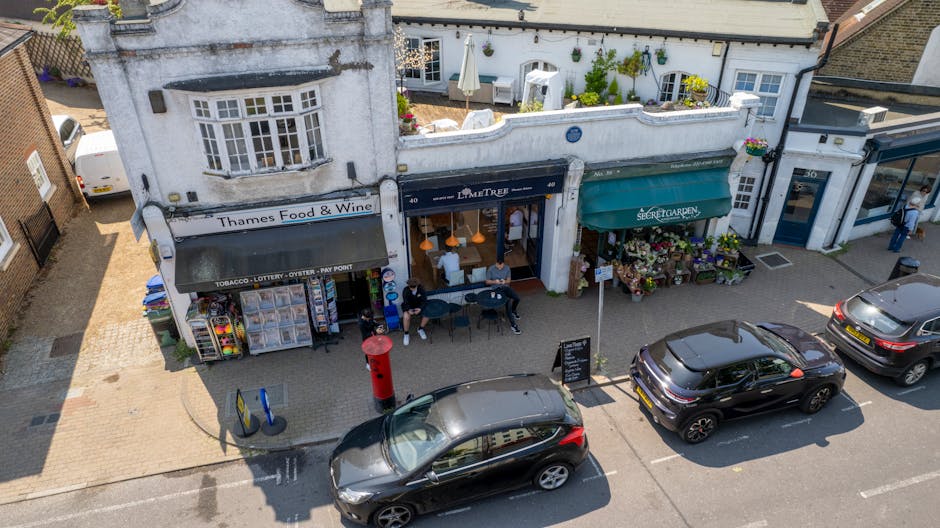
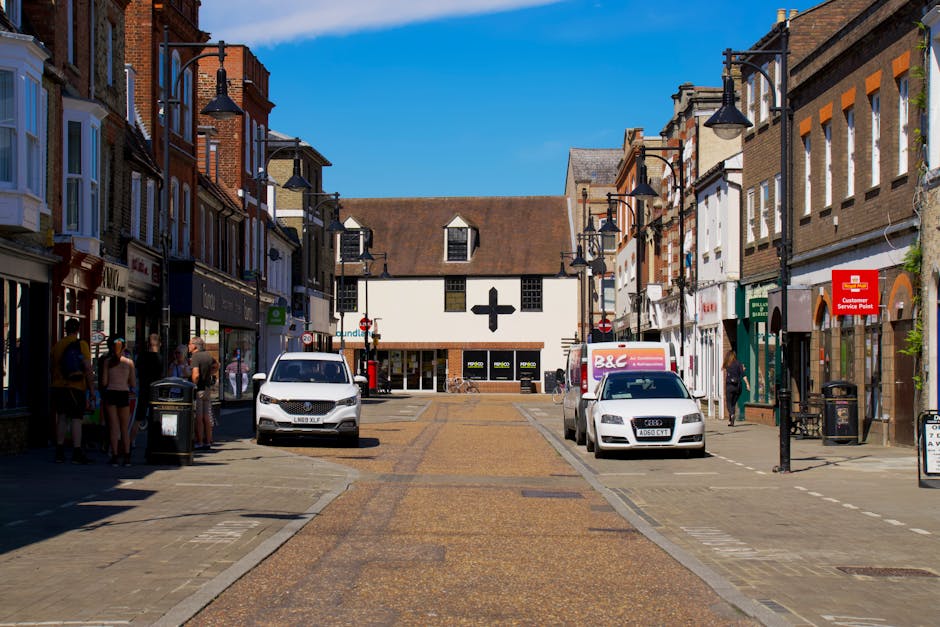
On a busy high street, the frontage itself can be part of the challenge. There may be pedestrians passing frequently, delivery vehicles stopping nearby, and little room to leave a van with doors open for long. That matters because a successful move depends on keeping the path clear while protecting items from knocks, weather, and unnecessary handling.
For local residents, businesses, students, and landlords, the impact is practical rather than theoretical. A well-planned move can reduce labour time, avoid damage to doorframes and plasterwork, and make the final handover much calmer. A poorly planned one can quickly become a repeat-trip situation, which is rarely anyone's idea of a good day.
This is where local knowledge earns its keep. A team that understands removal services in Welling and has experience with street-level access issues is better placed to anticipate the pinch points before they become problems.
How Narrow-frontage moves on Welling High Street: expert tips Works
The process usually starts with access assessment. That means measuring or visually checking the doorway width, hallway corners, stair turns, ceiling heights, lift size if there is one, and the distance from the vehicle to the property entrance. In tight spaces, the route matters just as much as the destination.
Next comes item mapping. This is simply the practice of identifying which pieces can move upright, which need to be tilted, and which may require disassembly. A dining table may be easy; a sofa with fixed arms may be less forgiving. A piano, a bed base, or a large wardrobe may need specialist handling. If you have ever tried to angle a mattress through a narrow stair bend, you will know the feeling: there is a lot of geometry involved, and not all of it polite.
Once the route and the item list are clear, the removal team decides on the loading sequence. In a frontage-limited move, the order of loading often has more impact than muscle. Heavy items may go on first, with fragile boxes and awkward shapes secured around them. That is where careful packing methods and sensible labelling really start to pay off.
The final part is controlled movement. One person guides, another supports the weight, and someone else may be watching for walls, bannisters, or pedestrians. Good removal work looks calm because the preparation happened before anyone lifted anything.
Key Benefits and Practical Advantages
A well-managed narrow-frontage move offers more than convenience. It creates a safer, cleaner, and less disruptive transition from one property to another.
- Less risk of damage: When access is planned, items are less likely to hit door frames, railings, or internal corners.
- Faster loading and unloading: A clear route and a prepared layout save time on the day.
- Better control over fragile items: Tight spaces are harder on mirrors, glass furniture, and electronics, so a measured approach protects them.
- Lower physical strain: Fewer awkward lifts means less wear on the moving team and the customer alike.
- Reduced disruption to neighbours and passers-by: Efficient work keeps the pavement clear for longer.
- More predictable costs: When access is understood in advance, quotes are usually easier to align with reality.
For households with bulky furniture or specialist items, this is especially valuable. If you are moving a sofa, for example, a dedicated guide like sofa storage and handling advice can help you decide whether it should be moved whole, dismantled, or temporarily stored.
There is also a quieter benefit: peace of mind. A move that feels controlled tends to reduce the domino effect of stress. One item at a time, one route at a time, one decision at a time.
Who This Is For and When It Makes Sense
This type of move is relevant to anyone dealing with tight access, but some situations make it especially important.
- Flat and apartment moves: Especially where stairwells are narrow or landings are tight.
- High-street properties: Where vehicle positioning and pavement space are limited.
- Students moving in or out: Often with fewer items, but awkward access and time pressure.
- Families with large furniture: Sofas, wardrobes, cots, beds, and dining sets can all become difficult in a small frontage.
- Office relocations: Desks, chairs, filing cabinets, and IT equipment need orderly handling.
- Anyone on a tight deadline: Same-day handovers, end-of-tenancy moves, or short exchange windows.
It also makes sense when you want a more responsive setup than a standard large-lorry removal. In that case, a man with a van in Wallington or a suitably sized removal vehicle can be easier to place near the property. For smaller loads or mixed contents, that flexibility can be a real advantage.
Best fit in plain terms: if space is tight, time is short, or the item mix is awkward, treat the move as a planning job first and a lifting job second.
Step-by-Step Guidance
Here is a practical, realistic process you can follow before and during the move.
- Measure the access points. Check the front door, internal doors, stair turns, lift dimensions, and the route between the vehicle and the entrance.
- List every bulky or fragile item. Note what may need two people, what can be dismantled, and what should be wrapped separately.
- Clear the path completely. Move shoes, bins, coats, cables, and anything else that could snag feet or furniture.
- Reserve parking or plan kerbside access. On a busy street, a few extra metres of walking can add surprising delay.
- Pack by weight and fragility. Heavier boxes low, lighter boxes high, fragile items clearly marked and isolated.
- Protect edges and finishes. Use blankets, corner protectors, stretch wrap, and door guards where needed.
- Decide the loading order in advance. Load the hardest-to-move items first so they do not block the rest.
- Use a spotter. Someone should be watching walls, corners, and people at all times when large items move through a tight area.
- Do a final sweep. Check cupboards, lofts, under beds, and behind doors before the vehicle leaves.
For many people, the most useful part of this process is the pre-move declutter. Less clutter means fewer decisions and fewer carries. If you want a structured way to reduce volume, see how to declutter before relocating.
If the home is being handed back to a landlord or prepared for sale, combine the move with a proper clean. That saves backtracking later and helps the property present well at handover. A practical reference is house cleaning before relocation.
Expert Tips for Better Results
These are the small decisions that often make the biggest difference.
1) Work out the awkward item first
Do not leave the largest item until the end. If the sofa or wardrobe will not fit the route, you want to know that before the van is loaded and the rest of the home has already been cleared.
2) Remove obstacles, not just clutter
People often think "clear path" means "move some boxes." In practice, it also means removing plant pots, bicycle racks, loose mats, and any temporary items near the door. Those little things catch wheels and feet at exactly the wrong moment.
3) Protect the building as well as the items
In a narrow frontage, plaster corners and paintwork are especially vulnerable. Use thick moving blankets or temporary guards at the tightest points. A small amount of prevention saves a lot of awkward apologising.
4) Break the move into zones
Separate the property into "ready", "not ready", and "last out" zones. This keeps everyone clear on what should move next and reduces repeated cross-traffic through the same doorway.
5) Keep one person in charge of the route
Too many instructions from too many people can slow the job down. One person should call the movements through the narrowest point. That simple rule keeps the process calmer and safer.
6) Use the right vehicle size
More vehicle is not always better. On a constrained high street, a smaller or mid-sized van can be the smarter choice because it is easier to place legally and safely near the property. If you are comparing options, removal van hire in Wallington can be a practical fit for compact access.
7) Don't underestimate mattresses and soft furnishings
A mattress seems harmless until you try to steer it through a bend while it catches the banister. For that reason, it is worth reading specialist advice such as how to move a mattress without damage.
Common Mistakes to Avoid
Most problems in narrow-frontage moves are not dramatic. They are cumulative. A small mistake at the start creates a bigger one later.
- Skipping the access check: Assumptions about door widths and stair turns are expensive.
- Overpacking boxes: A box that is too heavy becomes awkward in a tight corridor and may fail at the worst possible moment.
- Leaving furniture assembled: A bulky item may be technically movable but practically unworkable.
- Ignoring parking limits: If the van cannot stop close enough, labour time rises fast.
- Using the wrong lifting technique: Bad lifting can lead to dropped items or injuries.
- Rushing the final carry: Most wall scuffs happen when people are tired and trying to "just get it done."
- Forgetting insurance and terms: You should know what is covered, what is excluded, and how fragile items are handled.
Where awkward lifting is involved, it helps to be realistic. Some jobs are suitable for careful manual handling; others call for proper equipment or more than one pair of hands. If you want a practical refresher, see safe solo lifting advice and how kinetic lifting supports efficiency and safety.
Truth be told, a lot of move-day issues come from optimism, not bad intent. People think a turn will be fine because it looks fine. Then it isn't.
Tools, Resources and Recommendations
You do not need a van full of specialist kit for every move, but the right tools help enormously in tight spaces.
- Furniture blankets: Good for protecting polished surfaces and reducing impact noise.
- Stretch wrap: Useful for holding drawers shut and keeping loose parts together.
- Mattress covers: Help protect against dirt and damp during loading.
- Furniture dollies and sack trucks: Helpful when the path is smooth and the load suits wheeled movement.
- Ratchet straps: Keep stacked items stable inside the vehicle.
- Door protectors and corner guards: Highly recommended for narrow hallways and stairwells.
- Heavy-duty gloves: Improve grip and reduce the chance of slipping on awkward surfaces.
For customers wanting a broader view of service options, services overview is a useful starting point. If the move includes furniture, furniture removals in Welling may be the most relevant service page to review.
If you need extra capacity between move-out and move-in, temporary storage in Wallington can help you avoid forcing items through a cramped route before they are ready.
For readers who like to plan every box, a dedicated packing and boxes page for Welling can be useful when sorting materials and selecting box types before the move.
Law, Compliance, Standards, or Best Practice
Move planning for a narrow frontage does not usually involve complex legal interpretation, but there are important UK best-practice considerations. These include safe manual handling, suitable vehicle parking, clear access management, and sensible protection of the property and public space.
In practical terms, that means:
- avoiding blockages on pavements or driveways where possible;
- working within local parking and loading rules;
- not overloading people or equipment;
- using reasonable care around members of the public;
- making sure the team understands the handling plan before work begins.
Professional removers should also be transparent about how they approach safety and customer care. If you want to understand those expectations better, review the company's health and safety policy, insurance and safety information, and terms and conditions.
That is especially useful if your move includes high-value items, shared hallways, or limited access that leaves little margin for error. Clarity on responsibilities is never glamorous, but it is one of the smartest ways to avoid disputes later.
Options, Methods, or Comparison Table
Different access challenges call for different methods. Here is a straightforward comparison to help you choose.
| Method | Best for | Strengths | Limitations |
|---|---|---|---|
| Full-service house removal | Large household moves with mixed furniture and boxes | Most organised, less lifting for the customer, strong for timing | May be more than needed for small or simple loads |
| Man and van | Smaller properties, student moves, quick turns, narrow access | Flexible, efficient, easier to position on busy streets | Capacity is more limited than a larger removal setup |
| Furniture-only move | Bulky items that need careful handling | Useful for sofas, beds, wardrobes, and delicate pieces | Does not cover the rest of the household load |
| Storage-first move | Staged relocation or access too tight on the day | Removes pressure from the schedule and frees up route decisions | Requires extra planning and potentially two transport stages |
If your situation is simple but time-sensitive, same-day removals in Wallington may be worth considering. If the move is more structured, a standard removals service in Wallington may suit better.
Case Study or Real-World Example
Consider a typical high-street flat move: a one-bedroom property above a shop, front entrance facing a narrow pavement, with a sofa, mattress, desk, and around twenty boxes. The frontage is tight enough that a larger vehicle would have to stop further away, creating extra carries and more pedestrian disruption.
In that situation, a good removal plan would likely look like this:
- the sofa is measured before move day and wrapped for protection;
- the mattress is bagged and moved after the route is cleared;
- the desk is partially dismantled so it can turn the stair bend;
- boxes are labelled by room to avoid re-handling at the destination;
- the van is positioned for the shortest legal carry distance;
- the heaviest items go in first, with fragile boxes secured last.
The difference between a stressful move and a manageable one is usually not luck. It is the order of operations. The job goes faster because fewer decisions are being made under pressure.
For a property with especially awkward stair access or a very compact frontage, a team familiar with office removals and professional removal companies in Welling may be better prepared to handle structured loading and tight circulation routes.
Practical Checklist
Use this checklist a few days before the move, then again on the morning itself.
- Measure front door, stair bends, and any lift space.
- Confirm parking or loading access near the property.
- Identify the largest and most awkward item first.
- Disassemble anything that clearly will not turn safely.
- Pack fragile items separately and label them clearly.
- Protect floors, doors, corners, and banisters.
- Prepare blankets, tape, straps, gloves, and box markers.
- Keep a pathway clear from room to exit.
- Set aside essentials you want to keep with you.
- Check cupboards, loft areas, and behind doors before leaving.
- Review insurance, terms, and service scope if using a professional mover.
Practical summary: if the access is tight, the safest move is usually the one that is planned as if every inch matters. Because in these jobs, it often does.
Get a free quote today and see how much you can save.
If you are comparing options or want to talk through access issues before move day, it is worth reaching out early. A quick conversation can prevent a long day of improvising, and that is usually money well spent. Start with the local team via the contact page or learn more about the company on the about us page.
Conclusion
Narrow-frontage moves on Welling High Street demand more than standard lifting and loading. They call for route planning, smart packing, careful parking, and a realistic view of what can move safely through tight space. When those pieces come together, the move feels surprisingly controlled.
The biggest wins are usually simple: measure first, declutter early, protect the route, and choose a vehicle and service level that suits the access rather than fighting against it. That approach saves time, reduces damage, and makes the day much less exhausting for everyone involved.
Whether you are moving a flat, a family home, or just a few bulky items, the right preparation can turn a cramped frontage into a workable move plan. And that is the kind of quiet success most people are really looking for.
Frequently Asked Questions
What counts as a narrow-frontage move?
It is any move where the entrance, pavement, stairwell, or loading point restricts access enough to affect how items are carried, loaded, or parked. In practice, that could mean a tight high-street entrance, a small flat doorway, or a property with limited kerb space.
How do you move large furniture through a narrow entrance?
Start by measuring the item and the route, then decide whether it can move upright, on its side, or after partial disassembly. Protective blankets, careful rotation, and a spotter at the doorway usually make the difference.
Is a man and van better than a full removal truck for Welling High Street?
Often yes, if access is limited and the load is moderate. A smaller vehicle can be easier to position and may reduce walking distance from the van to the door. For larger households, a full removals service may still be the better fit.
Should I dismantle furniture before a narrow-frontage move?
If an item is likely to snag on corners, bannisters, or door frames, dismantling is usually worthwhile. Beds, wardrobes, and some desks are common candidates. The goal is not to take everything apart; it is to remove the parts that make the route awkward.
What items cause the most problems in tight access moves?
Sofas, mattresses, wardrobes, pianos, mirrors, and large appliances are usually the hardest items to manage. Their size, shape, and fragility combine to make route planning especially important.
How can I reduce the risk of damage to walls and door frames?
Use furniture blankets, corner guards, and clear communication. Move slowly through the narrowest points, keep one person directing the route, and avoid forcing items around corners if the angle is not right.
Can you arrange same-day help for a narrow-frontage move?
In some cases, yes. Same-day support can be useful if plans change or access becomes available unexpectedly. It is still best to call as early as possible so the team can assess whether the job can be fitted in safely.
What should I pack separately for a move like this?
Keep valuables, important documents, chargers, medications, and daily essentials separate. In a tight move, the fewer times you have to reopen boxes, the easier the whole process becomes.
How do I know if I need storage before moving?
If the destination is not ready, the access is too tight for all items at once, or you are moving in stages, storage may be sensible. It gives you flexibility and removes pressure from the loading sequence.
Are there parking or loading issues on Welling High Street I should think about?
Yes. High-street moves often need careful attention to stopping space, local restrictions, and pedestrian traffic. A short loading distance can make the move much easier, so planning parking early is a smart move.
What is the best way to prepare for move day?
Declutter, measure the access, pack properly, protect the route, and confirm the vehicle plan. If you want a deeper practical checklist, pairing this article with packing guidance and a local service overview can make the planning stage much simpler.
Who should I contact if I need help planning the move?
Contact a local removals team early, especially if you have awkward access or bulky furniture. A quick conversation can help identify the right service, whether that is a man and van, a furniture-only job, or a full house move.