Station Road DA16 removals: parking, access and permits
Moving on or near Station Road in DA16 can be straightforward, but only if the parking, access and permit side of the job is handled properly. That sounds dry at first glance, yet in real life it is often the difference between a calm move and a day full of awkward phone calls, double-parking worries, and a crew carrying boxes farther than anyone wanted. If you are planning Station Road DA16 removals: parking, access and permits, this guide walks you through the practical stuff that matters: where vans can stop, what access problems to expect, when a permit may be needed, and how to keep the move moving without stress.
We will also cover how local road conditions affect loading, how to prepare in advance, and which moving decisions make sense for flats, houses, and business premises alike. If you are comparing services, it can help to look at the broader removal services overview or read more about removals in Welling before you settle on a plan.
Table of Contents
- Why Station Road DA16 removals: parking, access and permits Matters
- How Station Road DA16 removals: parking, access and permits Works
- Key Benefits and Practical Advantages
- Who This Is For and When It Makes Sense
- Step-by-Step Guidance
- Expert Tips for Better Results
- Common Mistakes to Avoid
- Tools, Resources and Recommendations
- Law, Compliance, Standards, or Best Practice
- Options, Methods, or Comparison Table
- Case Study or Real-World Example
- Practical Checklist
- Conclusion
- Frequently Asked Questions
Why Station Road DA16 removals: parking, access and permits Matters
Station Road sits in a busy, lived-in part of DA16, and that immediately changes how a removal should be planned. On paper, moving day is simple: park the van, carry items out, load, and go. In practice, the road layout, traffic flow, nearby junctions, short-stay restrictions, neighbours' cars, and the building itself can all complicate the job. A van that is technically available is not always a van that can be used comfortably.
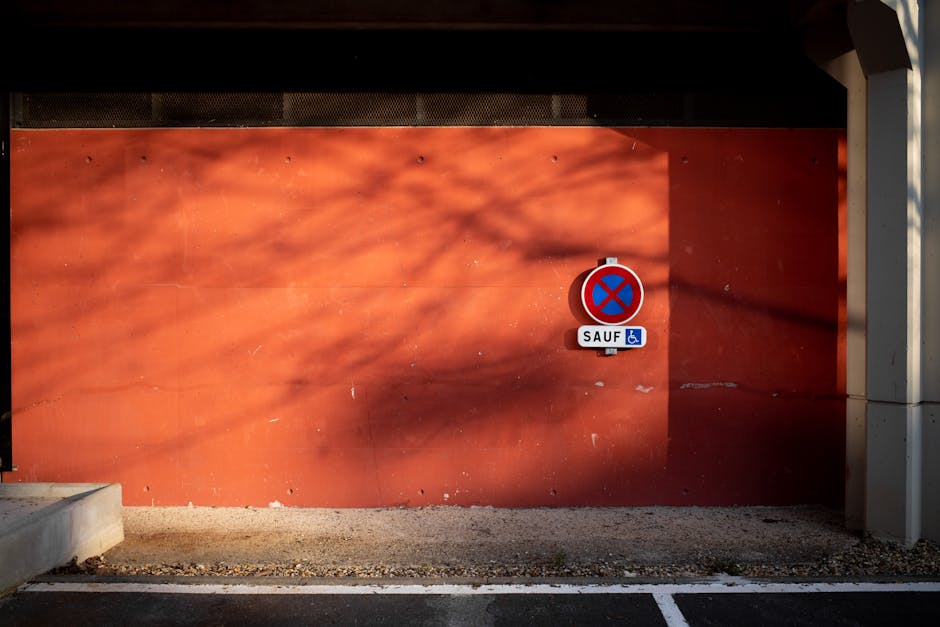
Parking matters because removal work is time-sensitive. The closer the van is to the property, the faster the team can work and the lower the risk of damage. Access matters because a narrow hallway, a shared entrance, steps, a tight turning point, or a front garden wall can all slow things down. Permits matter because stopping in the wrong place, or for longer than allowed, can lead to fines or a moved vehicle halfway through the job. Nobody wants that. Truth be told, moving day already has enough going on.
For local homes and businesses, the issue is not just convenience. It is also about safety, efficiency, and respecting the road conditions around you. That is why many people planning a move choose to book with a team that understands local access quirks, such as the crew behind man with a van in Welling or a more full-service option like house removals in Welling.
Expert summary: On Station Road, the best move is usually the one planned around access first, not furniture first. If the van can stop legally and close to the property, everything else becomes easier.
How Station Road DA16 removals: parking, access and permits Works
The process is less complicated when broken into stages. First, you identify the likely loading point. Then you confirm whether there are restrictions, permit requirements, or practical barriers such as resident bays, narrow frontage, or limited waiting windows. After that, you match the vehicle size and crew setup to the property rather than assuming one standard approach will suit every move.
For many DA16 moves, the key question is whether the van can be parked close enough for safe loading. If the property is on a street with traffic pressure, the loading position may need to be pre-planned, especially if large items are involved. If the building sits back from the road, or if access is through a shared path or side gate, the team needs to know that early.
Permits are usually a matter of local parking control rather than the moving company inventing a rule on the spot. Depending on the exact location and parking arrangement, a permit may be needed for a suspended bay, controlled zone, or restricted waiting area. Policies vary by council and street. Because of that, it is sensible to check the local authority guidance in advance rather than relying on assumptions.
That is also why a quick conversation with a mover matters. A good provider will ask about stairs, distance from entrance to van, lift access, frontage width, and whether there is a place to pause for loading. If you want a reliable starting point, the company's about us page gives a sense of how they work and what they prioritise.
For tighter spaces, it can help to read practical guidance on moves with narrow frontage because a lot of the same principles apply: plan the route, remove obstacles, and keep the carry distance short.
Key Benefits and Practical Advantages
Getting parking and access right is not just about avoiding problems. It actually improves the whole move in ways people notice immediately, even before the first sofa leaves the house.
- Less lifting distance: A van parked sensibly reduces carrying time and strain.
- Lower damage risk: Shorter carries mean fewer knocks to walls, door frames, and furniture corners.
- More accurate scheduling: The team can estimate time properly when access is clear.
- Reduced stress: Fewer unknowns on moving day means fewer surprises. Nice, simple, lovely.
- Better safety: Controlled loading is safer for your belongings and the people moving them.
- Fewer parking issues: A clear permit plan reduces the risk of fines or rushed repositioning.
There is another benefit people often miss: better access can make special items easier to move. A piano, wardrobe, American-style fridge, or large dining table needs careful handling, and that is much simpler when the route from door to van is short and direct. If you are moving something heavy or delicate, the difference between an easy load and a messy one can be surprisingly small, sometimes just a few metres of pavement.
For example, if you need specialist support for an awkward item, services like piano removals in Welling show how important planning and handling expertise can be. The same logic applies to furniture-heavy moves too, which is why furniture removals in Welling are often best approached with route planning from the start.
Who This Is For and When It Makes Sense
This kind of planning is useful for almost anyone moving in or around Station Road DA16, but some situations need it more than others.
Homeowners and tenants benefit when there is limited kerb space, a busy road, or multiple items that need fast loading. If you are leaving a flat above ground level, access becomes even more important. The same is true if you are moving into a property with a tight entrance, shared hallway, or awkward stair turn.
Students and short-term renters often underestimate how much difference simple access makes. A small move can still become a nuisance if the van cannot park near the door. If that sounds familiar, student removals in Welling can be a useful option because smaller moves still need proper timing and parking awareness.
Landlords and letting agents may need a quick, tidy move-out where timing is critical. A permit delay or a blocked loading bay can upset handover deadlines. For that sort of move, organised flat removals in Welling are often a better fit than a last-minute guess.
Businesses and home offices also need to think about access. It is not just desks and chairs. There may be monitors, filing cabinets, archive boxes, and fragile equipment. If your move includes a workday handover, you may want to look at office removals in Welling or ask about a quicker turnaround through same-day removals in Welling.
So, when does it make sense to plan this carefully? Pretty much always if the road is busy, the street is narrow, the property is set back, or the move involves anything more than a few boxes. If you are already feeling the mental load, that is a clue too.
Step-by-Step Guidance
Here is a practical way to organise a move on Station Road without making things harder than they need to be.
- Check the property access. Note steps, gates, lift availability, door widths, tight corners, and where the van could realistically stop.
- Look at parking conditions. Identify resident bays, yellow lines, loading restrictions, and any likely bottlenecks at peak times.
- Confirm whether a permit is needed. If the road is controlled, ask what the local parking rules require and how long a loading exemption might last if one applies.
- Measure awkward items. Sofas, beds, wardrobes, fridges, and pianos often decide the route, not the other way around.
- Choose the right vehicle size. Too small means extra trips. Too large can be harder to position. Balance matters.
- Prepare the property. Remove obstacles, protect floors, and keep pathways clear. A few minutes here saves a lot later.
- Plan loading order. Put heavy and bulky items in first, then fill with boxes and lighter pieces. It sounds obvious. It still gets forgotten.
- Build in a contingency. If the nearest bay is unavailable, know the next best option before the day begins.
A small but important detail: tell the mover if there is no guaranteed parking directly outside. That one sentence can change the quote, the timing, and the vehicle plan. It also helps avoid the classic moving-day surprise where everyone stands around in the drizzle wondering where the van is supposed to go.
If you are still at the sorting stage, a practical read on decluttering before your move can reduce volume and make access easier, which is often the smartest money-saving step of all. Pair that with packing ideas for an easier house move and the whole job gets cleaner, quicker, simpler.
Expert Tips for Better Results
From a local removals perspective, the best results usually come from the little things. Not flashy things. The basics. Done properly.
- Do a short walk-through before move day. Stand at the entrance and look at the route with fresh eyes. You will notice things you missed while packing.
- Keep the access route clear from both ends. If hallways are full of bags, boxes, or coats, moving slows down immediately.
- Have keys and entry codes ready. Waiting at the door is a nuisance for everyone and can affect parking timing too.
- Reserve space where possible. If local parking rules allow it, plan ahead for the loading spot instead of improvising.
- Protect high-risk items separately. Anything valuable, fragile, or awkward should be labelled and discussed beforehand.
- Move early if the road gets busy. Morning collections are often calmer. Later in the day, traffic and parked cars can make things slower.
One thing we often notice is that customers feel more relaxed once they have a proper plan for parking. It sounds odd, maybe, but it really does calm the whole day down. You stop guessing. You stop second-guessing. That alone is worth a lot.
If you need advice on protecting specific items while they are being moved or stored, these guides are worth a look: sofa storage tips, bed and mattress moving guidance, and freezer storage strategies.
Common Mistakes to Avoid
A lot of avoidable moving stress comes from the same handful of mistakes. The good news is they are all fixable.
- Assuming parking will be easy. Never assume a space will be free just because it usually is. Roads change by the hour.
- Forgetting to check the permit position. If the location is controlled, sorting this late can create real pressure.
- Choosing a vehicle without checking access. Bigger is not always better. Sometimes it is just harder to position.
- Not measuring large furniture. That lovely wardrobe can become a nuisance if it will not turn the corner.
- Leaving boxes in the hallway. It may feel temporary, but it slows everything down and increases trip risk.
- Ignoring neighbour or business access. A good move keeps disruption low and avoids unnecessary friction.
And here is a small one people laugh about later, once the stress has passed: forgetting that the van doors need opening space too. A parking spot can look fine until the rear doors cannot swing fully. Tiny detail, big inconvenience.
If your move includes heavy lifting, do not wing it. That is especially true for bulky items handled in tight hallways. A useful refresher is methods for lifting heavy items alone and the more general kinetic lifting techniques guide, which can help you understand safer handling basics.
Tools, Resources and Recommendations
You do not need a giant toolkit for a good move, but a few practical items make a real difference.
- Measuring tape: Useful for doors, corridors, stair turns, and large furniture.
- Phone camera: Handy for photographing access points, parking signs, and any awkward building features.
- Labels and marker pens: Keep boxes organised and speed up unloading.
- Furniture covers and blankets: Helps protect items during short carries and loading.
- Floor protection: Useful in wet weather, which, let's face it, does happen in London at the worst possible moment.
- Contact details for the mover: Keep them easy to access on moving day.
On the planning side, it also helps to know where your service information sits. The pricing and quotes page can help you understand how a move may be scoped, while insurance and safety information gives useful reassurance when you are trusting someone with your belongings. If you like to know how a company operates before booking, the removal companies in Welling page is also helpful when comparing your options.
For people packing in stages, packing and boxes in Welling can be a good practical next step, especially if you want the move-out to feel less chaotic. Small tools. Small wins. They stack up.
Law, Compliance, Standards, or Best Practice
Parking and loading rules are one of those areas where it is safer to be cautious than casual. The exact rules depend on the local street, signage, bay type, and the authority responsible for the area. You should always check the current local parking guidance before the move, especially if you plan to stop in a controlled area or near restrictions that could affect loading.
Best practice is straightforward:
- verify the parking restrictions for the exact location, not just the postcode;
- allow enough time to position the vehicle safely;
- avoid blocking access for residents, businesses, emergency vehicles, or pedestrians;
- make sure the loading point is practical for both the van and the property;
- follow the mover's health and safety guidance on lifting, carrying, and route control.
This is where professional planning matters. A reputable company should work in line with sensible safety practices, not just speed. If you want to understand the broader approach, read the company's health and safety policy and terms and conditions before booking. It is not thrilling reading, granted, but it does help set expectations properly.
For customers who need to dispose of unwanted items or reduce waste during a move, the recycling and sustainability page is also worth a look. Less clutter in the van often means easier loading and fewer access headaches. Good outcome all round.
Options, Methods, or Comparison Table
There is more than one way to approach a Station Road move. The right choice depends on property type, item volume, time pressure, and parking complexity.
| Approach | Best for | Pros | Watch-outs |
|---|---|---|---|
| Small man and van move | Smaller flats, a few bulky items, lighter household moves | Flexible, often easier to position, good for short access windows | May need more trips if volume is underestimated |
| Full house removal team | Family homes, larger inventories, multiple heavy items | More hands, faster loading, better for complex access | Needs clearer parking planning and more space |
| Same-day removals | Urgent move-outs or last-minute changes | Quick response, useful when timing is tight | Parking and permit arrangements need to be sorted even faster |
| Specialist item removal | Pianos, large furniture, fragile or awkward pieces | Extra care and handling knowledge | Access details must be accurate; assumptions cause delays |
For most Station Road moves, the best method is not the cheapest headline price. It is the one that fits the road, the property, and the actual things being moved. If that means a smaller van with better access, fine. If it means more people for a shorter loading window, also fine. The job should fit the street, not the other way around.
Case Study or Real-World Example
Here is a realistic local scenario. A couple moving from a first-floor flat near Station Road had a sofa, bed frame, washing machine, and around thirty boxes. On paper, it sounded like a standard job. But the entrance sat a short walk back from the street, there was no easy off-road parking, and the best loading point was shared with neighbours. Nothing dramatic, just enough to slow things down if no one planned it.
They sent over photos of the entrance, the stairwell, and the parking signs a few days before moving day. That small bit of preparation changed everything. The crew arrived with the right vehicle size, protected the hallway floor, and planned the loading order so the largest items went in first. The van stopped in the nearest lawful position available at the time, and the carry distance stayed manageable. No frantic reshuffling. No guesswork. Just steady progress.
The biggest lesson from jobs like that is simple: access information is part of the move, not an afterthought. When it is shared early, the whole process feels calmer. Less noise, fewer pauses, more confidence. And honestly, that is what people remember afterwards.
Practical Checklist
Use this before your move on Station Road DA16.
- Confirm the exact property address and entrance point.
- Check parking restrictions and likely loading spots.
- Ask whether a permit or temporary permission is needed.
- Measure large items and note any awkward turns.
- Tell the mover about stairs, lifts, gates, and narrow hallways.
- Clear paths inside the property and near the front door.
- Label fragile boxes and heavy boxes clearly.
- Set aside keys, codes, and contact numbers.
- Prepare floor protection if rain or muddy access is likely.
- Discuss timing so the van arrives when the space is most likely to be usable.
Quick rule of thumb: if the parking situation feels uncertain, the move needs more planning. Not more panic. Planning.
Conclusion
Station Road DA16 removals: parking, access and permits are not side issues. They are the backbone of a smooth move. Once you know where the van can stop, how the items will travel, and whether any permissions are needed, everything else becomes much easier to manage. That is true for house moves, flat moves, office relocations, and even the smaller jobs that somehow still eat a whole day if left unplanned.
The real aim is simple: keep the van close, keep the route clear, keep the paperwork sensible, and keep the day moving. If you do that, you reduce stress, protect your belongings, and make the whole experience feel far more under control. Which is exactly what most people want, really.
If you are preparing for a move and want support from a team that understands local access challenges, take a look at removal services in Welling or get in touch through the contact page to discuss your route, parking and timing in more detail.
Get a free quote today and see how much you can save.
And if you are still in the middle of packing, breathe. One box at a time, one decision at a time. It comes together.
Frequently Asked Questions
Do I need a parking permit for removals on Station Road DA16?
It depends on the exact parking restrictions in place at the address and the local rules for the bay or street you are using. Some locations require a permit or special arrangement, while others allow loading for limited periods. Always check the current local guidance before moving day.
How far in advance should I plan parking for a move?
As early as you can. A few days is better than a few hours, especially if the street is busy or the property is in a controlled parking area. Early planning gives you time to confirm restrictions, choose the right vehicle, and avoid last-minute surprises.
What if the van cannot park right outside the property?
That is quite common in busy streets. The move can still work well if the loading point is identified in advance and the walking route is safe and manageable. The key is to tell the mover early so they can plan the right vehicle, timing, and crew setup.
Are narrow frontages a problem for removals?
They can be, yes. Narrow frontage means less room to load and unload, so access planning becomes more important. Measuring furniture, checking doorway clearance, and keeping the pathway clear help a lot. The guidance on narrow frontage moves is a useful reference.
Can I use a man and van service for a Station Road move?
Yes, often you can. A man and van service is a sensible option for smaller loads, shorter moves, or properties where parking access is limited. For larger households, a fuller removal team may be more efficient.
What should I tell the removals team before the job?
Tell them about parking restrictions, steps, lifts, tight hallways, long carry distances, and any large or fragile items. Photos are very helpful too. The more accurate the access information, the smoother the move will be.
Do office moves on Station Road need different planning?
Usually, yes. Office moves often involve time pressure, shared entrances, and equipment that should not be left standing around. If you are moving a workplace, a dedicated office removals plan is usually the better choice.
How do I make heavy items easier to move?
Clear the route, measure the item, remove loose parts where possible, and avoid lifting without a plan. For more guidance, the articles on lifting heavy items alone and safe lifting techniques are useful starting points.
Is same-day removals a good idea if parking is uncertain?
It can be, but only if the parking and access details are clear enough for the team to act quickly. A same-day move does not remove the need for planning. In fact, it makes early communication even more important.
How can I reduce the risk of damage during loading?
Keep the access route free, pack boxes properly, use padding for furniture, and make sure the van can park as close as safely possible. Good handling starts before anything leaves the property, not after.
Where can I get a quote for a Station Road removal?
You can request a quote through the company's pricing and quotes page or use the contact page if you want to talk through access, parking, or unusual items first. That usually leads to a more accurate estimate.
What is the best way to prepare a flat move on Station Road?
Measure the access points, check the parking situation, sort the permit question early, and keep corridors clear on the day. If the move includes stairs or shared entrances, a dedicated flat removals service can make the process much easier.